
How to Grow Chillies in Australia
Everything you need to know about growing healthy, productive chilli plants at home.
Growing your own chillies is easier than you might think. Whether you’re starting from seed or seedlings, growing in pots on a balcony or planting out a backyard garden, this guide covers everything from choosing the right chilli varieties and preparing your soil to watering, fertilising, fruiting and harvesting your first crop.
When Is the Best Time to Plant Chillies in Australia?
The best time to start growing chillies in Australia depends on where you live, but for most people late winter through spring is the ideal time to get started. Chilli plants love warmth, and getting them established early gives them plenty of time to grow, flower and produce fruit throughout the warmer months.
If you’re starting your chillies from seed, you can get a head start by germinating them indoors or somewhere warm and protected before the weather outside is suitable. Chilli seeds need warmth to germinate reliably, and some varieties — particularly superhots such as Habaneros, Trinidad Scorpions and Bhut Jolokias — can take considerably longer to germinate and establish than common varieties.
Seedlings can be planted outside once the risk of frost has passed and the weather is consistently warming. Don’t be tempted to rush them into the garden simply because you’ve had a couple of warm days. A sudden cold snap can severely slow young chilli plants or damage them.
Your Location Makes a Difference
Australia’s climate varies enormously, so there isn’t one planting date that works everywhere.
In tropical and subtropical areas, the growing season can be very long and established chilli plants may continue producing for much of the year. In warmer parts of Queensland, for example, protecting plants from extreme summer heat can sometimes be just as important as protecting them from cold.
In temperate areas, spring is generally the safest time to plant outside, once the threat of frost has passed and the soil has started warming.
In cooler and frost-prone regions, starting seeds indoors can give you a valuable head start. Keep the young plants protected until conditions improve before gradually introducing them to their permanent outdoor position.
Remember that chillies are naturally warm-climate plants. Warm soil, plenty of sunlight and consistently warm weather will generally produce much happier plants than cold, wet conditions.
If you’re looking at your garden in late winter or early spring and wondering whether it’s time to start thinking about this year’s chilli crop, the answer is yes. Even if it’s still too cold to plant outside, it’s a great time to choose your varieties, organise your seeds and start preparing for the growing season.
Should You Grow Chillies from Seeds or Seedlings?
One of the first decisions you’ll need to make is whether to start your chilli plants from seed or buy established seedlings. There is no right or wrong answer – both methods can produce healthy, productive chilli plants. Your choice really comes down to how much time you have, the varieties you want to grow and how involved you want to be in the process.
Starting Chillies from Seed
Growing from seed gives you by far the greatest choice of varieties. Your local nursery might only have a handful of common chilli seedlings available, while specialist seed suppliers can give you access to everything from mild and sweet chillies through to Habaneros, Aji varieties, Trinidad Scorpions and some seriously hot superhots.
Starting from seed is also incredibly rewarding. There is something satisfying about watching a tiny seed germinate, caring for the seedling and eventually picking chillies from a mature plant that you grew from the very beginning.
The downside is time and patience. Chilli seeds don’t always germinate quickly, and some varieties can be particularly stubborn. You’ll also need to keep young seedlings warm, adequately watered and protected while they’re establishing.
If you’re starting early in the season, growing from seed can be an excellent option because you can get your plants underway somewhere warm and protected while you’re waiting for outdoor conditions to improve.
Buying Chilli Seedlings
Seedlings are the easiest option if you simply want to get some chilli plants growing without worrying about germination.
A healthy nursery seedling has already made it through the most vulnerable stage of its life. You can see what you’re buying, choose strong-looking plants and potentially save several weeks compared with starting from seed.
The main disadvantage is variety. Garden centres generally stock varieties they know will sell, so you may find plenty of Jalapeños, Cayennes and common hot chillies but have difficulty finding some of the more unusual varieties.
When choosing seedlings, look for compact, healthy plants with good green leaves and strong stems. Don’t automatically choose the tallest plant on the shelf. A smaller, well-developed plant with healthy foliage can be a much better choice than a tall, stretched plant that has been struggling for light.
Also check underneath the leaves for pests and avoid plants showing significant yellowing, leaf damage or obvious signs of disease.
Which Option Should You Choose?
If this is your first time growing chillies and you want the easiest possible start, buying a few healthy seedlings is a great option.
If you want unusual varieties, enjoy experimenting or simply want the satisfaction of growing your plants from the very beginning, start from seed.
Or do both.
Buy a couple of established seedlings so you have plants growing immediately, then start some more interesting varieties from seed. By the time your seedlings are established, you’ll already have your first plants well underway – and before long you may discover that growing chillies can become slightly addictive.
Harvest Your Own Chilli Seeds
Have a favourite chilli that you regularly buy from the supermarket? Try saving some of the seeds and growing it yourself.
In this video, I show you how to harvest chilli seeds from supermarket-purchased chillies so you can try growing your own plants at home. It’s a simple and inexpensive way to start experimenting with growing chillies, particularly if you’ve found a variety you already enjoy eating.
Keep in mind that a plant grown from saved seed may not produce fruit exactly like the chilli it came from, particularly if the original plant was a hybrid or was cross-pollinated. But that’s also part of the fun of growing from seed – plant it, look after it and see what you get.
Should You Soak Chilli Seeds Before Planting?
Can soaking chilli seeds help them germinate? I decided to test it for myself.
For this experiment, I soaked chilli seeds using several different treatments, including plain water, tea, a commercial seed-soaking product and a mild bleach solution. After soaking, the seeds were placed on paper towel under the same conditions and given equal time to germinate so I could compare the results.
Watch the experiment above to see how the different treatments performed and which chilli seeds eventually sprouted.
What Chilli Varieties Should You Grow?
With hundreds of chilli varieties available, deciding what to plant can sometimes be harder than actually growing them. Rather than simply choosing the hottest chilli you can find, think about what you enjoy eating, what you plan to do with your harvest and who else in the family might be eating them.
If there’s a particular chilli you regularly buy and enjoy, that’s an obvious place to start. You can purchase seeds or seedlings, or even experiment with harvesting seeds from the chillies you already buy.
Choose Chillies You’ll Actually Use
For everyday cooking, varieties such as Jalapeño, Cayenne and Banana chillies are excellent choices. They’re versatile, generally productive and give you plenty of options in the kitchen.
If you’re looking for something with more distinctive flavour, Aji Amarillo is well worth considering. It produces a fruity chilli with a useful level of heat and can be used fresh or in sauces, marinades and other dishes.
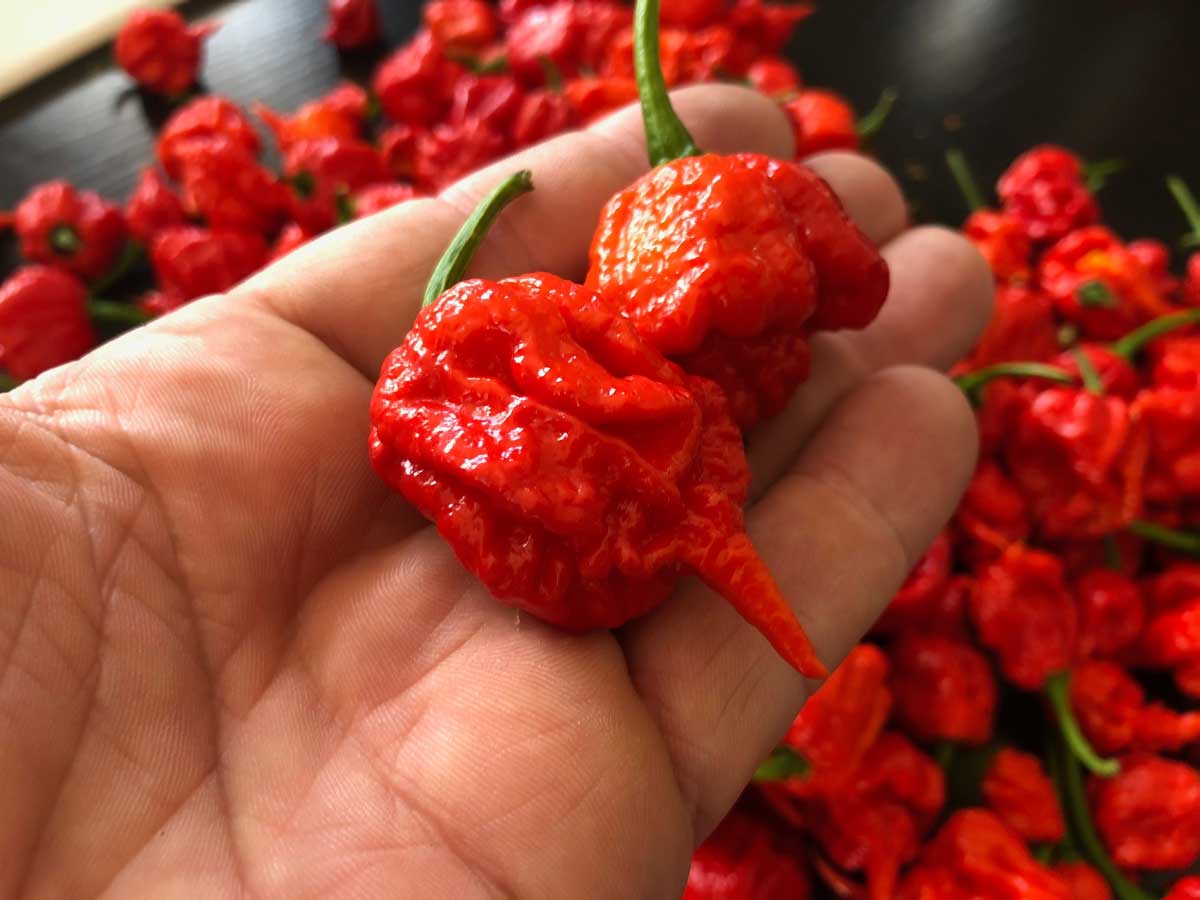
For people who enjoy considerably more heat, Habaneros combine serious heat with a distinctive fruity flavour. Beyond that you enter the world of the superhots, with varieties such as the Bhut Jolokia (Ghost Pepper), Trinidad Scorpion and Carolina Reaper.
You don’t have to choose just one. A small garden containing several varieties gives you different flavours, heat levels and uses throughout the season.
Get the Kids Involved
If you have children, teach them to grow their own food, and getting them involved in the garden can be just as rewarding as growing the chillies themselves. Kids love watching something they planted grow, flower and eventually produce food they can pick from their own backyard.
Consider that when choosing your varieties.
A Banana chilli is a great option for younger family members because it gives them something mild they can pick and actually eat. An Aji Amarillo provides something a little more adventurous for those who enjoy some heat, while a Bhut Jolokia can provide a challenge for the big kids.
You can even give each child their own plant to look after. Let them help plant it, water it and watch for the first flowers before eventually harvesting the fruit.
If you’re growing superhot varieties around children, however, make sure everyone understands that the fruit needs to be treated with respect. The oils from very hot chillies can cause considerable irritation to the eyes and skin, so young children shouldn’t handle superhots unsupervised.
Grow for Flavour, Not Just Heat
One of the great things about growing your own chillies is discovering just how different varieties can taste.
Heat gets most of the attention, particularly with superhots, but there’s much more to a chilli than its Scoville rating. Different varieties can be sweet, fruity, citrusy, earthy or even slightly smoky.
So don’t feel that your chilli garden needs to be a competition to grow the hottest pepper possible.
Grow the chillies you enjoy eating. After all, the best chilli plant in your garden is the one whose fruit you can’t wait to pick.


Should You Grow Chillies in Pots or Garden Beds?
Chillies can grow successfully in pots or directly in a garden bed, and there really isn’t a right or wrong choice. Both have advantages and disadvantages, and the best option will depend on the space you have available, your climate and how much time you want to spend looking after your plants.
Growing Chillies in Pots
The biggest advantage of growing chillies in pots is mobility.
If a brutal summer storm is heading your way, you can move your plants somewhere protected. On an extremely hot day, they can be shifted into some afternoon shade, and during winter you may be able to move established plants into a greenhouse or another protected position.
For people living in apartments, renting, or with limited outdoor space, pots may also be the only practical option. You can’t exactly dig a garden bed on the tenth floor, but a good-sized pot or raised planter on a suitable balcony can still produce an impressive crop of chillies.
The disadvantage is that chilli plants can develop surprisingly large root systems. Even a 20-litre pot can become restrictive for a large, mature chilli plant.
Pots also tend to dry out faster than garden beds and have a limited reservoir of nutrients. This means container-grown chillies generally require more frequent watering and regular feeding to keep them performing well.
If you choose pots, give the plant as much root space as you reasonably can and make sure the container has excellent drainage.
Growing Chillies in a Garden Bed
If you have the room, my preference for a home chilli garden is a well-prepared raised garden bed.
One of the biggest reasons is drainage. I often tell people:
“Chilli plants don’t like wet feet.”
Their roots need moisture, but continually waterlogged soil can cause serious problems. A properly constructed raised bed containing good, free-draining soil makes managing moisture considerably easier.
Garden beds also give mature plants much more room to establish substantial root systems. Don’t overcrowd them simply because the seedlings look small when you first put them in. Give each plant enough space to develop above and below the ground.
Prepare the soil properly before planting and much of the hard work is already done. Good organic matter, quality compost or worm castings and appropriate slow-release nutrients can provide a strong foundation that keeps plants happy for quite some time.
As flowering and fruit production increase, keep an eye on nutrition and make sure the plants have adequate potassium and other essential nutrients rather than simply adding more fertiliser for the sake of it.
Plants permanently exposed to normal outdoor conditions can also become remarkably strong. Wind and changing weather encourage sturdy growth, although severe storms, frost and extreme heat can obviously still cause damage.
Which Is Better?
If you have suitable space, a raised garden bed gives chilli plants plenty of room for their roots, makes good drainage easier to achieve and generally requires less frequent watering and feeding than containers.
Pots give you something a garden bed never can: the ability to move the plant.
That can be extremely valuable when dealing with storms, extreme heat or winter weather, and it makes chilli growing accessible to people who don’t have a traditional backyard.
Whichever method you choose, don’t get too caught up worrying about whether you’re doing it the “right” way.
Both pots and garden beds will grow great chillies. Give the plants adequate root space, good drainage, appropriate nutrition, sunlight and sensible watering, and they’ll do the rest.
What Soil Do Chilli Plants Like?
Chilli plants aren’t particularly difficult to grow, but getting the soil right from the beginning can make a huge difference to how well they perform.
The ideal soil should be fertile, rich in organic matter and, most importantly, well drained. Chilli plants need water and nutrients, but their roots also need oxygen. Heavy soil that remains saturated for long periods can cause far more problems than soil that drains freely.
As I often say, chilli plants don’t like wet feet.
Prepare the Soil Before You Plant
If you’re planting into a garden bed, spend some time preparing it before the chilli plants go in.
Adding good-quality compost and other well-composted organic matter can improve both the structure and fertility of the soil. If your soil is particularly heavy, a raised garden bed can make it much easier to create the free-draining conditions chilli plants prefer.
This is also a good opportunity to incorporate an appropriate slow-release fertiliser or soil amendments so nutrients are available as the plants establish.
You don’t need to continually throw fertiliser at a chilli plant if you’ve created healthy, fertile soil in the first place. Start with the soil rather than trying to fix everything later with fertiliser.
Worm Castings Are Like Gold
If you have access to good-quality worm castings, use them.
Worm castings are one of my favourite additions to a vegetable garden. They add organic matter and nutrients while helping create a healthy growing environment around the roots.
If you have your own worm farm, even better. It’s a great way of recycling suitable kitchen scraps while producing something genuinely useful for your garden.
Good worm castings are like gold in a vegetable garden.
What About Worm Tea?
Worm tea can also be an excellent addition to a vegetable garden, but it’s important to understand what you’re using.
The liquid that simply collects in the bottom of a worm farm isn’t necessarily the same thing as properly prepared worm tea, and old stagnant liquid shouldn’t automatically be poured over your plants.
If worm-based liquid is going to be stored, pay attention to how it is handled. I keep mine in a drum that is constantly aerated, which prevents it from becoming stagnant and anaerobic.
Badly stored, foul-smelling worm liquid can potentially harm plants rather than help them, so don’t assume that because it came from a worm farm it must automatically be beneficial.
One interesting piece of chilli-growing history involves Butch Taylor, whose name became attached to the famous Trinidad Scorpion Butch T. Worm-based fertilisers have long been associated with his growing methods and are part of the story surrounding this incredibly hot chilli.
Whether you’re growing superhots or a few mild chillies for the family, though, the basic principle remains the same: healthy plants start with healthy soil.
Using a Worm Farm for Your Chilli Garden
A worm farm is an easy way to turn suitable household food scraps into something incredibly useful for your chilli plants and the rest of your vegetable garden.
In this short video, I show you how I look after my worm farm, what I feed the worms and, just as importantly, what I avoid putting into it. Keeping the worms healthy helps produce quality worm castings that can be returned to the garden to improve the soil around your plants.
You don’t need a large or complicated setup to get started. A small home worm farm can provide a steady supply of castings for a backyard vegetable garden while also putting some of your kitchen waste to good use.
If you have kids helping with the chilli garden, looking after a worm farm can also be another great way to get them involved and teach them how food scraps can eventually be recycled back into the soil that grows their food.

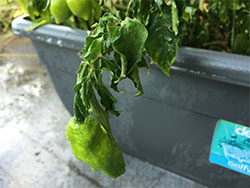
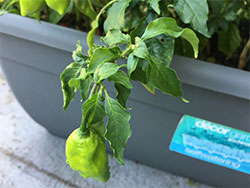
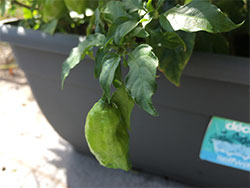
These photos show one of my chilli plants after I deliberately allowed it to wilt, followed by its recovery after watering. The progression demonstrates just how quickly a chilli plant can respond once water becomes available again.
Wilting can be a sign that your chilli plant needs water, but don’t assume every wilted plant is thirsty. Heat stress, overwatering and root problems can produce similar symptoms, so check the soil and growing conditions before automatically reaching for the hose.
If your chilli plants are wilting and you’re not sure why, read our [guide to wilting chilli plants] for a more detailed look at the possible causes and what to do about them.
How Much Sun Do Chilli Plants Need?
Chilli plants love warm weather and plenty of sunlight, but that doesn’t necessarily mean the hottest position in your garden is always the best position.
For most chilli plants, aim for around 6-8 hours of good sunlight each day. Morning sun is particularly useful, and a position that receives plenty of light while offering some protection from the harshest afternoon conditions can work extremely well in hotter parts of Australia.
Chillies Love Heat – But There Is a Limit
Chillies are warm-climate plants, and you’ll generally notice their growth accelerate once the weather and soil begin warming up.
However, there is a difference between warm conditions and extreme heat.
During a brutal Australian summer day, particularly when temperatures climb well into the 30s or beyond, chilli plants can become stressed. Leaves may wilt, flowers can drop and exposed fruit and foliage can suffer from excessive heat and intense sunlight.
This is one of the advantages of growing in pots. If an extreme day is forecast, you can move valuable plants into a position with some afternoon shade and return them once conditions improve.
For plants growing in garden beds, shade cloth can be extremely useful during periods of extreme heat. You don’t necessarily need to permanently shade the garden – sometimes you’re simply taking the edge off the most intense afternoon sun during a run of very hot weather.
Don’t Panic If Your Plants Wilt on a Hot Afternoon
A chilli plant with drooping leaves doesn’t automatically need more water.
On extremely hot afternoons, plants can temporarily wilt because they’re losing moisture through their leaves faster than their roots can replace it. If the soil is still adequately moist, pouring more water onto the plant can create another problem by leaving the roots unnecessarily wet.
Check the soil before reaching for the hose.
If the plant perks back up as temperatures fall later in the day, heat rather than lack of water may have been the problem.
Protect Young Plants
Small seedlings need a little more care than established plants.
If they’ve been raised indoors, in a greenhouse or somewhere protected, don’t suddenly move them into full Australian summer sun for an entire day. Gradually introduce them to stronger sunlight and outdoor conditions over several days.
This process, often called hardening off, gives the young plant time to adjust and reduces the risk of sun damage and transplant stress.
Once established, chilli plants can be surprisingly tough.
Give them warm conditions, plenty of light and protection from the most extreme weather, and they’ll generally reward you with strong growth and plenty of fruit.
How Often Should You Water Chilli Plants?
One of the most common questions people ask is, “How often should I water my chilli plants?”
Unfortunately, there isn’t a schedule that works for every plant.
How often your chillies need water will depend on the weather, temperature, soil, size of the plant, whether it’s growing in a pot or garden bed and even how much fruit it’s carrying.
The best advice is simple: check the plant and check the soil rather than watering because the calendar says it’s time.
Water Deeply Rather Than Little and Often
When you water an established chilli plant, give it a proper drink.
Repeatedly giving the plant a small amount of water that only wets the surface encourages roots to remain close to the top of the soil. A deeper watering encourages the root system to make use of the soil beneath it.
Then allow the soil to begin draining and drying before automatically watering again.
Remember our earlier rule: chilli plants don’t like wet feet.
The goal isn’t bone-dry soil followed by flooding, nor is it permanently saturated soil. You’re looking for reasonably consistent moisture with plenty of drainage.
Pots Will Need More Attention
Chillies growing in pots generally need watering more frequently than plants growing in the ground.
A pot contains a limited amount of soil and can dry surprisingly quickly on a hot or windy day. A large mature chilli plant in a pot can draw a considerable amount of water through its root system, particularly when it’s carrying a heavy crop.
During very hot weather, you may need to check container-grown plants every day.
That doesn’t necessarily mean they need watering every day – check first.
Stick your finger into the potting mix or check below the surface. If there’s still plenty of moisture around the roots, the plant may not need another drink yet.
Garden Beds Hold Moisture for Longer
A well-prepared garden bed usually gives you a little more breathing room.
The larger volume of soil retains moisture much longer than a pot, while a healthy mature root system can access water from a much larger area.
Adding mulch around the plants can also reduce evaporation and help maintain more consistent soil moisture, particularly through summer.
Just keep mulch slightly away from the main stem rather than piling it directly against the plant.
Water the Soil, Not the Leaves
Where possible, apply water around the root zone rather than continually spraying the entire plant.
Watering at soil level puts the water where the plant actually needs it and avoids unnecessarily leaving foliage wet.
If you have several plants or a larger vegetable garden, a drip irrigation system can make watering much easier and provide a slow, controlled application directly around the root zone.
Pay Extra Attention When Plants Are Fruiting
Once your chilli plants begin flowering and carrying fruit, consistent watering becomes particularly important.
Allowing plants to repeatedly become extremely dry and then soaking them isn’t ideal. Large fluctuations in available moisture can stress the plant and contribute to problems with flowers and developing fruit.
That doesn’t mean keeping the soil permanently wet.
Think consistent rather than excessive.
And if your chilli plant suddenly wilts on a scorching afternoon, don’t immediately assume it needs another bucket of water. Check the soil first. As we showed in the previous section, wilting can indicate a thirsty plant – but heat stress and other problems can produce similar symptoms.
Learn to read your plants rather than simply watering them according to a timetable. After you’ve been growing chillies for a while, you’ll become surprisingly good at recognising when they’re asking for a drink.
What Is the Best Fertiliser for Chilli Plants?
Chilli plants need nutrients to grow, flower and produce a good crop. However, more fertiliser does not always mean more chillies.
The best approach is to start with healthy soil and feed the plant according to its stage of growth.
If you prepared your garden bed with compost and organic matter, you’re already off to a good start. A quality slow-release fertiliser can also provide nutrients as the plant becomes established.
Feeding Young Chilli Plants
Young plants need nutrients to develop healthy roots, stems and leaves.
A balanced vegetable fertiliser is usually a good starting point. Always follow the recommended application rate. Adding extra fertiliser can damage young roots rather than speed up growth.
Avoid pushing young plants too hard with high-nitrogen fertilisers. You may end up with a beautiful green bush but very few chillies.
The aim is a strong, balanced plant.
Feeding Chillies During Flowering and Fruiting
The nutritional requirements change as the plant matures.
Once flowering and fruit production begin, potassium becomes particularly important. It supports flowering, fruit development and overall plant health.
You can use a fertiliser designed for fruiting vegetables. Tomato fertilisers can also be suitable for chilli plants.
Again, don’t assume more is better. Follow the directions and watch how your plants respond.
Worm Castings and Worm Tea
As mentioned earlier, I’m a big fan of worm castings.
They can be incorporated into the soil before planting. You can also add some around established plants during the growing season.
Good worm castings are like gold in a vegetable garden.
Worm tea can also form part of your feeding program. Just make sure you’re using a properly prepared product.
I keep my stored worm tea constantly aerated. This helps prevent it from becoming stagnant and anaerobic.
If worm liquid smells foul or has been sitting stagnant for a long period, don’t assume it’s safe for your plants.
Watch the Plant
Your chilli plants will often give you clues about their nutritional needs.
Healthy leaves should generally have good colour and growth should remain steady. Yellowing leaves, poor growth or reduced flowering can indicate a problem.
However, don’t automatically reach for fertiliser.
Poor drainage, excessive watering, pests and root problems can produce similar symptoms. Adding fertiliser won’t fix those issues.
Start by checking the basics.
Is the soil draining properly? Is the plant receiving enough sunlight? Are you watering too frequently? Is there any evidence of pests?
Once you’ve ruled those problems out, look more closely at nutrition.
Healthy soil, sensible feeding and good growing conditions will usually outperform constantly adding more fertiliser.
Explore our chilli library

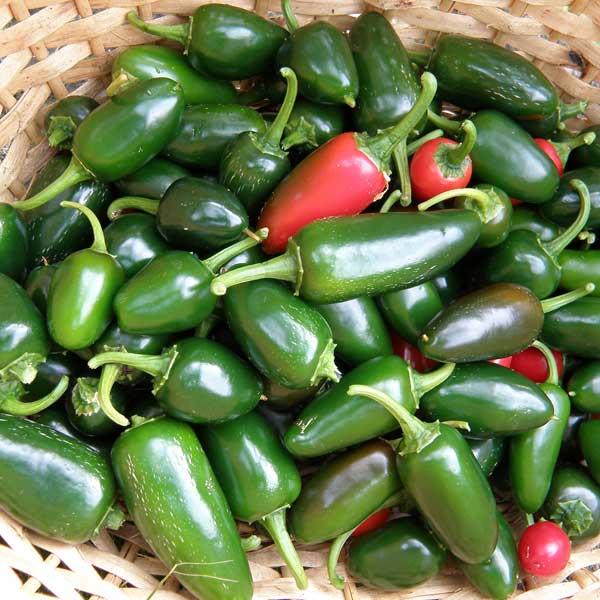
How Long Do Chilli Plants Take to Produce Fruit?
Growing chillies requires a little patience. The time from planting to your first harvest can vary considerably.
The variety makes a big difference. So do temperature, sunlight, plant health and growing conditions.
If you buy an established seedling, you may see flowers quite quickly. Some plants may already have flowers when you buy them.
Starting from seed obviously takes longer. First, the seed needs to germinate. The young plant then needs time to establish and mature before flowering.
How Long Do Chilli Seeds Take to Germinate?
Some chilli seeds can germinate quite quickly in warm conditions. Others can make you wonder if anything is going to happen at all.
Common varieties may begin germinating within one or two weeks. Some hotter varieties can take several weeks.
Don’t give up on a seed tray too quickly.
Temperature is particularly important during germination. Chilli seeds generally perform much better in warm conditions than cold soil.
This is why starting seeds somewhere warm can be useful in late winter or early spring.
From Flowers to Chillies
Once your plant begins flowering, look closely at the flowers.
Successful pollination will result in a tiny chilli beginning to form behind the flower. From there, the fruit gradually increases in size.
The time required to reach maturity depends on the variety.
A smaller chilli may develop relatively quickly. Large varieties and some superhots can take much longer.
The fruit may also reach its full size before it reaches its final colour.
Green Doesn’t Necessarily Mean Unripe for Eating
Many chillies can be harvested and eaten while green.
Jalapeños are a perfect example. They’re commonly picked green but will continue ripening to red if left on the plant.
Other varieties may change through several colours as they mature.
The final colour will depend on the variety. Red is common, but mature chillies can also be yellow, orange, brown, purple or other colours.
Flavour can change during this process too.
That’s another advantage of growing your own. You can pick fruit at different stages and discover which flavour you prefer.
Don’t Compare Every Variety
If your Cayenne plant is covered in fruit while your Habanero is still getting organised, don’t panic.
Different chilli varieties grow at different rates.
Superhot varieties can be particularly slow. They may take longer to germinate, establish and produce mature fruit.
Give them time.
Your growing season also matters. Plants established early have more warm weather available for growth and fruit production.
This is why starting early can be valuable in cooler parts of Australia.
Growing chillies isn’t a race. Give your plants the right conditions and let them work to their own timetable.
How Many Chillies Will One Plant Produce?
One healthy chilli plant can produce an impressive amount of fruit. However, there is no reliable number that applies to every plant.
The variety has a major influence on yield. Plant size, weather, nutrition and sunlight also matter.
A small-fruited variety may produce dozens or even hundreds of chillies. A plant producing much larger fruit will usually carry fewer.
Bigger Plants Can Support Bigger Crops
A healthy root system allows a chilli plant to support strong growth above the ground.
This is another reason I like giving chilli plants plenty of root space.
A mature plant in a good garden bed can develop an extensive root system. That helps it access water and nutrients from a larger area.
A plant restricted by a small pot has less room to work with. It can still produce a great crop, but it will usually need more attention.
Good growing conditions also allow the plant to develop more branches. More healthy growth can mean more flowers and more opportunities to produce fruit.
More Flowers Don’t Always Mean More Chillies
Chilli plants can produce a huge number of flowers.
Not every flower will become a chilli.
Some flower drop is completely normal. Extreme heat, cold weather and plant stress can increase the amount of flower drop.
Poor growing conditions can also affect fruit set.
If your plant looks healthy but occasionally drops flowers, don’t panic. Look at the overall performance of the plant.
If nearly every flower is falling, then it’s worth investigating the cause.
Picking Chillies Can Encourage More Production
Don’t be afraid to harvest your chillies when they’re ready.
A healthy plant can continue flowering and setting new fruit throughout the growing season.
Regular harvesting also means you get to enjoy the chillies at their best.
If you want fully ripe fruit, allow it to develop its mature colour before picking. If you prefer the flavour when green, harvest it earlier.
You can even try both stages from the same plant.
Don’t Chase a Number
It’s tempting to ask whether a chilli plant should produce 20, 50 or 100 chillies.
A better question is whether your plant is healthy and producing a useful crop.
Give it adequate sunlight and enough root space. Maintain good drainage and consistent moisture. Provide suitable nutrition as the plant grows.
Then let the variety determine what a normal crop looks like.
Some plants will give you a handful of enormous chillies. Others will leave you wondering what you’re going to do with hundreds of them.
Either result can be a successful chilli harvest.


Common Chilli Growing Problems
Even healthy chilli plants occasionally have problems.
Leaves turn yellow. Flowers fall off. Pests arrive. Sometimes a plant simply stops growing.
The important thing is to identify the likely cause before trying to fix it.
Yellow Leaves
Yellow leaves can have several causes.
Too much water is a common problem. Poor drainage can leave the roots sitting in wet soil.
A nutrient deficiency can also cause yellowing. However, don’t automatically add fertiliser when you see a yellow leaf.
Check the soil first.
If it’s constantly wet, deal with the watering or drainage problem before adding anything else.
A few older leaves turning yellow and dropping can also be normal.
Flowers Falling Off
Seeing chilli flowers fall can be frustrating. Fortunately, losing some flowers is normal.
Extreme heat can cause flower drop. Cold conditions and other forms of plant stress can also contribute.
Check the overall health of the plant.
If it’s growing well and producing fruit, a few dropped flowers are nothing to worry about.
If almost every flower is dropping, investigate further.
Pests
Unfortunately, we’re not the only creatures that enjoy chilli plants.
Aphids, mites and other pests can attack new growth and leaves. Check your plants regularly, especially underneath the leaves.
Finding a problem early makes it much easier to manage.
Don’t immediately reach for the strongest chemical you can find. First identify what is actually attacking the plant.
Remember that your garden also contains beneficial insects. Some of them are helping control the pests for you.
Curling or Damaged Leaves
Leaf curl can have several causes.
Heat stress, pests and watering problems are possibilities. Herbicide exposure and some diseases can also cause distorted growth.
Look closely at the plant before deciding what to do.
Check new growth and the underside of leaves. Also consider what has happened around the plant recently.
The appearance of the entire plant usually tells you more than one damaged leaf.
My Chilli Plant Isn’t Growing
Sometimes a chilli plant appears to stop.
Cold weather is often responsible early in the season. Chillies love warmth and can grow very slowly when conditions are cool.
Restricted roots can also slow a container-grown plant.
Poor soil, inadequate sunlight and excessive watering are other possibilities.
Before adding fertiliser, check the basics.
My Chilli Plant Isn’t Producing Fruit
A large green chilli plant with no fruit can be frustrating.
First, check whether it’s flowering.
If there are no flowers, look at sunlight, temperature and nutrition. Too much nitrogen can encourage lots of leafy growth.
If it’s flowering but not setting fruit, weather may be playing a role. Extreme temperatures can interfere with successful fruit set.
Give the plant time if conditions have recently been difficult.
Look at the Whole Plant
One strange leaf doesn’t necessarily mean your chilli plant is dying.
Plants respond to weather, insects, watering and changes in their environment.
Look for patterns.
Are many leaves affected? Is the problem spreading? Is new growth distorted? Is the soil constantly wet?
Those clues will help you identify the real problem.
Most importantly, don’t treat a problem until you have some idea what you’re treating.
Sometimes the best thing you can do for a chilli plant is simply give it good conditions and leave it alone.


A Word About Homemade Pest Treatments
Home gardeners have been making their own pest treatments for generations. You’ll find recipes using chilli, garlic, soap and various other household ingredients.
Some can be useful in the home garden. However, just because something kills a pest doesn’t necessarily mean it’s safe to spray on food.
A trick I was taught came from my father-in-law, who spent his working life in the nursery industry. He suggested a very dilute Dettol solution for treating mealybugs. I’ve used the method myself and found it effective.
However, Dettol isn’t a registered pesticide for use on edible chilli plants. For that reason, I wouldn’t recommend it as a general treatment for other people to use.
The same caution should be applied to any homemade pesticide recipe you find online.
Most importantly, identify the pest before treating the plant.
Sometimes removing a small infestation by hand or with a strong stream of water is all that’s required. Beneficial insects may also be doing some of the pest control for you.
Your goal isn’t to sterilise the garden. It’s to keep pest populations at a level where your chilli plants can remain healthy and productive.
Do Chilli Plants Grow Back Every Year?
Many people grow chillies as annual plants. They plant them in spring, harvest during the warmer months and start again the following year.
However, chilli plants can live for more than one season.
In the right conditions, a healthy plant can survive winter and produce another crop when warmer weather returns.
Whether that’s practical will depend largely on your climate.
What Happens to Chilli Plants During Winter?
As temperatures fall, chilli plants generally slow down.
Growth may become very limited. Leaves can yellow or drop, and the plant may stop producing flowers and fruit.
That doesn’t necessarily mean the plant is dead.
In warmer parts of Australia, some chilli plants can remain outside throughout winter. A protected position can make a considerable difference.
Frost is a much bigger problem.
If you live somewhere that experiences regular frost, your plants will need protection if you want to keep them for another season.
This Is Where Pots Have an Advantage
Remember one of the advantages we discussed about growing chillies in pots?
You can move them.
A valuable plant can be shifted into a greenhouse or another protected position during winter. You can then move it back outside when conditions improve.
This can be particularly worthwhile for an unusual variety or a plant that performed exceptionally well.
Garden-bed plants obviously aren’t going anywhere.
If frost is expected, you may need to protect them with suitable frost cloth or another covering.
Should You Prune Chilli Plants for Winter?
Some growers prune their chilli plants quite heavily before overwintering them.
Others prefer a lighter approach.
How much pruning is appropriate depends on the plant and where it will spend winter.
At minimum, remove dead or damaged growth. It’s also a good opportunity to inspect the plant carefully for pests.
Be particularly careful before moving an outdoor plant into a greenhouse or protected area. You don’t want to bring a population of aphids, mealybugs or mites with it.
Don’t Overwater a Dormant Plant
A chilli plant that isn’t actively growing won’t use water at the same rate as it did during summer.
This is where gardeners can accidentally cause problems.
Cool conditions already mean the soil takes longer to dry. Adding too much water can leave the root system continually wet.
Once again:
Chilli plants don’t like wet feet.
Check the soil before watering and expect the plant’s requirements to decrease considerably during cooler weather.
Is Overwintering Worth It?
Sometimes it is. Sometimes starting again from seed is easier.
If you have a common variety that didn’t perform particularly well, there may be little reason to keep it.
But if you’ve grown a fantastic Habanero, Aji or unusual variety, keeping it alive can give you a significant head start next season.
Instead of beginning again with a tiny seedling, you already have an established root system and mature plant.
When warm conditions return, the plant can begin putting on new growth.
That’s one of the enjoyable things about growing chillies.
Look after a good plant and you may be harvesting from it for more than one growing season.
When Should You Harvest Your Chillies?
One of the best parts of growing chillies is finally picking them.
But how do you know when they’re ready?
The answer depends on the variety and how you intend to use the fruit.
Can You Pick Chillies While They’re Green?
Absolutely.
Many chilli varieties can be harvested and eaten before they reach their final ripe colour.
Jalapeños are a familiar example. Most people recognise them as green chillies, yet they will eventually ripen to red.
Cayenne chillies can also be picked green or allowed to mature to red.
Try harvesting fruit at different stages. You may discover that you prefer the flavour at one particular stage of ripeness.
How Do You Know When a Chilli Is Fully Ripe?
Learn the mature colour of the variety you’re growing.
Red is common, but not every ripe chilli is red. Depending on the variety, ripe fruit can be orange, yellow, brown, purple or other colours.
A chilli may reach its full physical size well before it reaches its final colour.
Be patient if you’re waiting for fully ripe fruit.
Some varieties change colour quickly. Others seem to remain green forever before suddenly beginning to ripen.
Does a Chilli Get Hotter as It Ripens?
Heat can change as fruit matures, but don’t judge a chilli purely by its colour.
The variety’s genetics have the biggest influence on its potential heat. Growing conditions and individual fruit can also create variation.
Even two chillies picked from the same plant may not seem equally hot.
That’s part of the fun.
If you’re growing an unfamiliar variety, start cautiously when you finally taste it.
How Should You Pick Chillies?
Avoid aggressively pulling fruit from the plant.
Chilli branches can be surprisingly brittle. Pulling hard on a stubborn fruit can damage the branch or break it completely.
Use clean scissors or secateurs if the fruit doesn’t release easily.
Take particular care when the plant is carrying a heavy crop. Branches may already be under considerable weight.
Wear Gloves When Harvesting Superhots
If you’re harvesting Habaneros or superhot chillies, consider wearing disposable gloves.
Capsaicin can remain on your hands long after you’ve finished picking and preparing the fruit.
Touching your eyes afterwards can be extremely unpleasant.
The same applies when cutting, deseeding or processing large quantities of hot chillies.
Treat very hot varieties with respect.
Keep Picking Throughout the Season
Regular harvesting keeps useful fruit coming out of the garden.
Don’t leave ripe chillies sitting on the plant indefinitely unless you’re deliberately keeping them for seed.
Fruit left too long can become damaged, overripe or attractive to pests.
Keep an eye on your plants and harvest regularly.
And eventually you may encounter one of the better problems a gardener can have:
You’ve grown far more chillies than you can possibly eat fresh.
Fortunately, there are plenty of things you can do with them.
What Can You Do With All Those Chillies?
A few productive chilli plants can leave you with far more fruit than you expected.
That’s a good problem to have.
Fresh chillies are fantastic in everyday cooking. However, there are plenty of ways to preserve your harvest for later.
Freeze Your Chillies
Freezing is one of the easiest options.
Wash the chillies and remove any damaged fruit. They can then be frozen whole or prepared before freezing.
Frozen chillies will soften when thawed. That isn’t usually a problem if you’re using them in sauces, curries, marinades or cooked dishes.
Freezing is also useful when the garden isn’t producing enough fruit at once for a larger recipe.
Keep adding chillies to your freezer until you have enough.
Dry Them
Many chilli varieties are excellent for drying.
Once properly dried, they can be stored whole. You can also crush them into chilli flakes or grind them into powder.
Make sure the chillies are thoroughly dried before storing them. Remaining moisture can encourage mould and spoilage.
Thicker chillies contain more moisture and can take considerably longer to dry than thin-walled varieties.
Make Chilli Sauce
Homemade chilli sauce is an obvious destination for a good harvest.
This is where growing several varieties becomes interesting.
A Habanero sauce will taste very different from one made with Cayenne or Jalapeño. You can also blend varieties to create your own flavour and heat level.
Just remember that making a sauce for tonight’s dinner is different from producing something intended for long-term storage.
If you’re making preserved or shelf-stable sauces, use a properly developed recipe and safe food-handling methods.
Make Chilli Paste
Chilli paste is another useful way to process a harvest.
It can be added to curries, sauces, marinades and other dishes throughout the year.
You can also freeze paste in small portions. This makes it easy to take out only what you need.
At Exotic Chillies, processing chillies into paste is something we know particularly well. The same basic idea used by a home gardener can be applied on a much larger commercial scale.
Pickle Them
Many chillies are excellent pickled.
Jalapeños are an obvious choice, but don’t be afraid to experiment with other varieties.
Pickled chillies are great on burgers, sandwiches, pizzas and tacos.
Again, use a tested recipe if you’re preparing products for longer-term storage.
Share Them
Sometimes the simplest solution is the best one.
Give some away.
Fresh home-grown chillies make a great gift for friends, family and neighbours who enjoy spicy food.
You might even trade them for something else from another person’s garden.
Save Some Seeds for Next Season
If you’ve grown a chilli you particularly enjoyed, consider saving some seeds.
Choose healthy, fully mature fruit from a good plant.
As we discussed earlier, saved seed won’t always produce a plant identical to its parent. Cross-pollination and hybrid varieties can produce surprises.
But that can also make growing chillies more interesting.
Label your seeds with the variety and year collected. Store them somewhere cool and dry until you’re ready to start again.
From one tiny seed, you’ve grown a plant, harvested its chillies and collected seeds for another generation.
Then the whole process starts again.
Frequently Asked Questions About Growing Chillies
Spring is a great time to plant chillies across much of Australia. However, the ideal time depends on your local climate.
You can start seeds earlier in a warm, protected location. Move young plants outside once conditions are warm enough and the risk of frost has passed.
Both can produce excellent chilli plants.
Garden beds provide more room for roots and usually retain moisture for longer. Pots give you the advantage of being able to move your plants.
Choose the method that best suits your home and climate.
Yes, you can certainly try.
Seeds collected from a ripe supermarket chilli may germinate and produce healthy plants. However, the resulting fruit may not be identical to the original chilli.
This can happen when the original plant was a hybrid or cross-pollination occurred.
Not necessarily.
Fresh viable seeds can germinate without first being dried. Drying becomes more important when you want to store seeds for later use.
If you’re saving seeds, make sure they’re properly dried before storage.
It depends on the variety and growing conditions.
Some seeds may germinate within one or two weeks. Other varieties can take several weeks.
Warm conditions generally help chilli seeds germinate. Don’t give up on slower varieties too quickly.
Aim for around six to eight hours of good sunlight each day.
Chillies enjoy warmth and sunlight. However, extreme Australian summer heat can stress plants.
Some afternoon protection can be useful during very hot weather.
There is no universal watering schedule.
Check the soil rather than automatically watering every day. Pots will usually dry faster than garden beds.
Aim for consistent moisture without keeping the roots constantly wet.
Remember, chilli plants don’t like wet feet.
Start with healthy soil containing good organic matter.
A balanced vegetable fertiliser can support plants during early growth. As flowering and fruiting begin, make sure the plant has adequate potassium.
Worm castings are also an excellent addition to the soil.
The variety makes a big difference.
Plants purchased as established seedlings can produce much sooner than plants started from seed. Superhot varieties can take considerably longer to mature.
Temperature, sunlight and plant health also affect the time required.
They can.
Chillies are capable of surviving for more than one growing season when conditions allow.
Cold weather and frost are the biggest challenges in many parts of Australia. Protecting a healthy plant through winter can give you an established plant for the following season.
This article explores what to do with your chilli plants over winter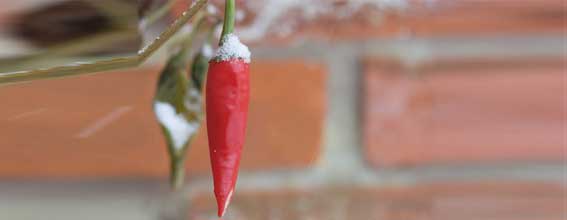
Some flower drop is normal.
Extreme temperatures and other forms of stress can reduce fruit set. Excessive nitrogen can also encourage leafy growth at the expense of fruit production.
Check the overall health and growing conditions before changing your fertiliser or watering routine.
Generally, yes.
Give them warmth, sunlight, good drainage and enough nutrition. Avoid constantly wet soil and keep an eye out for pests.
You don’t need to get everything perfect.
Start with a few plants, learn how they respond and enjoy growing your own chillies.
Start Growing Your Own Chillies
Growing chillies at home doesn’t need to be complicated.
You don’t need a huge backyard or expensive equipment. A sunny balcony and a few pots can be enough to get started. If you have more room, a raised garden bed can produce an incredible amount of fruit.
Start with varieties you actually want to eat. Give them good soil, plenty of light and enough room for their roots. Water when they need it and feed them sensibly.
Most importantly, enjoy the process.
I’ve spent years growing chillies, and there’s still something satisfying about seeing the first flowers appear. Watching those flowers become fruit never really gets old either.
Get the kids involved if you can. Give them a plant of their own and let them experience growing something they can eventually eat.
Don’t worry if everything doesn’t go perfectly.
You’ll lose a seedling occasionally. A pest will discover your favourite plant. You’ll probably overwater something at some point. You may even grow a chilli that’s much hotter than you expected.
That’s gardening.
Every growing season teaches you something new.
Whether you’re growing a mild Banana chilli, a fruity Aji Amarillo or a Bhut Jolokia that nobody in the family is brave enough to eat, it all starts with the same thing.
Plant a seed, look after it and see what happens.
You might be surprised by just how addictive growing your own chillies can become.